AED
AED
Dubai’s commercial property market has entered one of its most dynamic phases in years. Office rents across the city climbed sharply through 2025 and into 2026, company formation numbers keep breaking records, and the gap between the best buildings and everything else has widened into what analysts now call a flight to quality. For anyone trying to lease an office, relocate a team or evaluate a commercial investment, understanding what actually separates Grade A from Grade B space has become a genuinely useful skill, not just industry jargon.
This guide breaks down the classification system, what each grade delivers in practice, where to find each type across Dubai’s business districts, and how current market data should shape a leasing or investment decision.
What office grading actually measures
Office grading is not an official government classification in Dubai. It is a market convention that brokers, landlords and valuers use to describe a building’s overall quality, age, specification and appeal to tenants. Three tiers are generally recognised.
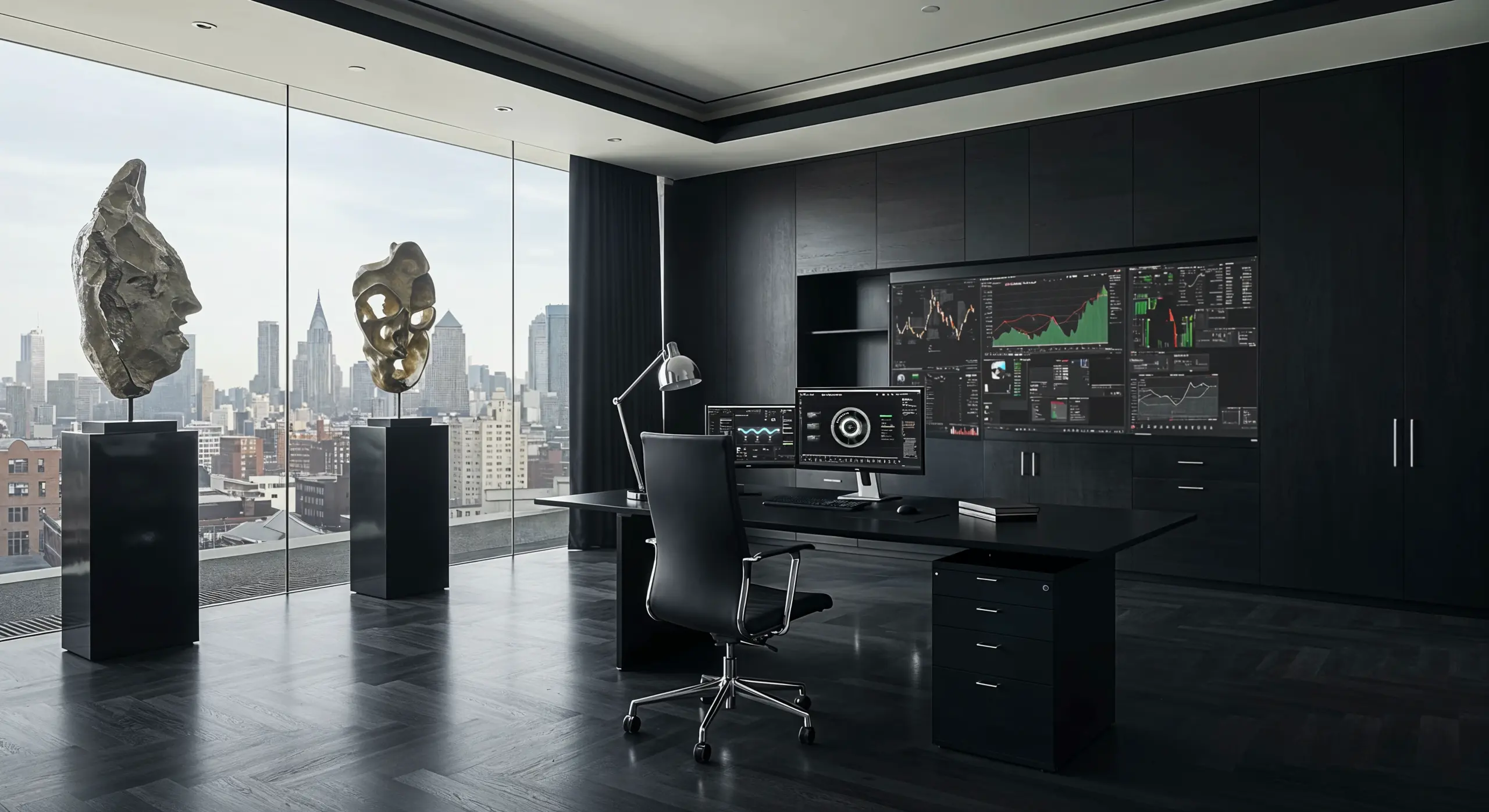
Grade A buildings are newly constructed or comprehensively refurbished towers built to the highest contemporary standard. They typically feature efficient column free floor plates, advanced building management systems, strong sustainability credentials such as LEED or Al Sa’fat certification, and professional on site management. These buildings are usually occupied by multinational corporations, financial institutions, law firms and other client facing businesses that value a prestigious address as much as the workspace itself.
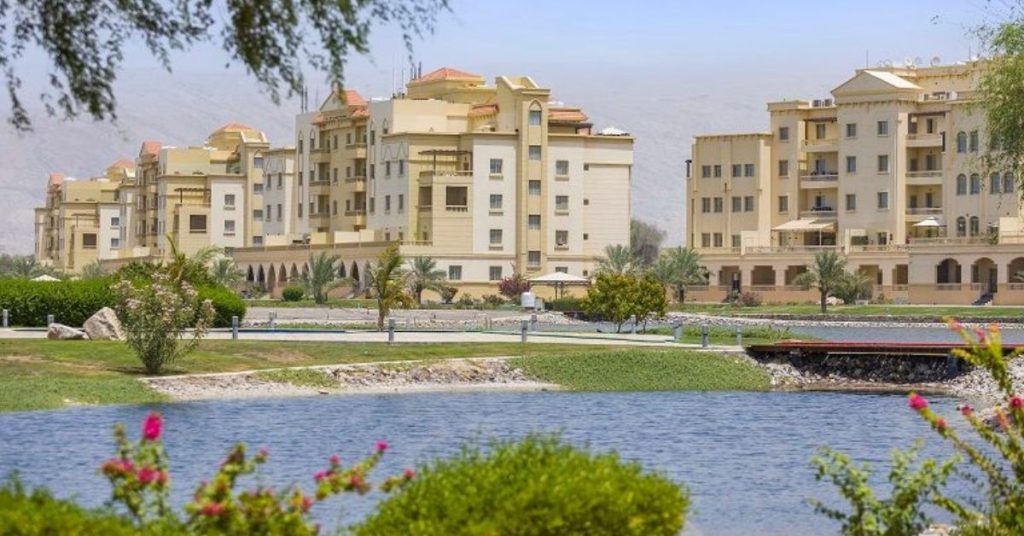
Grade B buildings sit in the middle of the market. They are typically older than Grade A stock, sometimes by a decade or more, but remain functional and well positioned. Many have undergone periodic refurbishment even if they lack the newest technology or premium finishes of a flagship tower. They offer a practical, cost efficient option for small and medium enterprises that need a professional environment without paying for amenities they may never use.
Grade C buildings represent the most basic tier, generally older properties with limited infrastructure, dated interiors and fewer amenities, often used for back office functions where image and location carry less weight.
The core differences between Grade A and Grade B space
| Feature | Grade A | Grade B |
|---|---|---|
| Building age | New or comprehensively refurbished | Typically older, may have had partial upgrades |
| Floor plates | Efficient, often column free | Functional but less flexible |
| Building systems | Advanced HVAC, smart access, high speed connectivity as standard | Adequate but less technologically advanced |
| Sustainability certification | Common, often LEED or Al Sa’fat rated | Less common, though improving in newer refurbishments |
| Amenities | Concierge, dedicated parking, fitness facilities, F&B, conference suites | Basic amenities, fewer on site extras |
| Typical tenants | Multinationals, banks, law firms, tech and fintech scale ups | SMEs, trading companies, professional services, back office teams |
| Typical districts | DIFC, Downtown Dubai, parts of Business Bay | JLT, Dubai Silicon Oasis, older stock in Business Bay and along Sheikh Zayed Road |
| Rent positioning | Premium, often the highest in the city | Mid market, though rising quickly in 2026 |
What the 2026 data shows

The most striking trend in Dubai’s office market this year is not just how much rents have risen but where that growth is concentrated. Dubai posted particularly strong rental growth in Grade B office space, where rents rose 23.4 percent year on year as occupiers shifted toward more affordable alternatives amid limited prime inventory. JLL’s own market analysis confirmed the same figure, identifying the Grade B segment as the best performing category of the first quarter of 2026, with rents up 23.4 percent on the previous year.
This is not a sign that Grade B space has overtaken Grade A in prestige. It reflects a simple supply and demand mechanism. The shortage of Grade A office space has created a ripple effect that has pushed up rents in Grade B and C segments as businesses compete for whatever quality space remains available. With core districts running close to full occupancy, tenants who cannot secure or afford a Grade A address are increasingly bidding up the next tier down, and Grade B landlords have responded accordingly.
Grade A demand itself has not softened. Continued expansion in fintech, artificial intelligence, wealth management and digital commerce has significantly boosted demand for Grade A office space, particularly in DIFC, Business Bay and Dubai Internet City. DIFC in particular continues to post extraordinary growth figures, with the district adding 775 new companies in the first quarter of 2026 alone, a 62 percent increase on the same period the year before. Free zone clusters built around Grade A infrastructure, including DIFC, DWTC and Dubai Internet City, now consistently operate at occupancy rates above 95 percent, with some buildings reportedly at or near full capacity.
Pricing across the city reflects this bifurcation clearly. The Dubai office market has entered a distinct phase of separation in 2026, with Grade A towers in Downtown and DIFC commanding record rents above AED 300 per square foot, while older stock along Sheikh Zayed Road faces softening demand. Citywide, office sales prices averaged AED 1,951 per square foot in 2025, up 26 percent year on year, while rents rose by an average of 23 percent and climbed above 30 percent in several prime locations.
Where to find each grade across Dubai
DIFC and Downtown Dubai remain the benchmark for Grade A space in the emirate. These districts offer international legal frameworks, tax advantages and an address that carries genuine weight with global clients, and pricing reflects that positioning at the very top of the market.
Business Bay has matured into a mixed market with a strong Grade A core alongside meaningful Grade B stock. It offers mainland licensing through DED, direct access to Sheikh Zayed Road and the Dubai Canal, and a growing pipeline of new towers that continue to lift the district’s overall quality profile.
Jumeirah Lake Towers is the city’s clearest example of value driven Grade B space, though a number of newer towers within the cluster now market themselves at Grade A standard. JLT operates under the DMCC free zone, offers full foreign ownership, and has become the district of choice for SMEs, trading firms and technology start ups that want a professional base without DIFC or Downtown pricing.
Dubai Silicon Oasis and similar emerging districts sit further down the pricing curve again, offering functional Grade B and Grade C space suited to back office operations, logistics coordination and cost sensitive tenants.
Ready to see what is currently available? Browse Vetra’s commercial property listings across Dubai’s key business districts.
What the incoming supply pipeline means for tenants
Significant new stock is on the way, and where it lands will shape pricing for years to come. Around 24.2 million square feet of office space is scheduled for delivery between 2026 and 2030, concentrated in Business Bay, Meydan City, DIFC and Jumeirah Lake Towers. DIFC alone is preparing to expand meaningfully, with the district set to add 1.6 million square feet of commercial space between 2026 and 2027 through projects including DIFC Living, Innovation Two and Immersive Tower.
Much of this new supply is already earmarked for demand that already exists. Banking and finance accounted for 32.5 percent of office demand in the second half of 2025, with technology contributing a further 23.1 percent, and both sectors are concentrated in Grade A space within core districts. For tenants currently searching, this points to a narrow window. Locking in a Grade A lease now, ahead of further rate increases, is increasingly the advice coming from agents across the market, while Grade B tenants should expect continued upward pressure until the new supply pipeline meaningfully eases availability.
Which grade is right for which business
The right choice depends on what a business actually needs from its address, not simply what it can afford.
A regional headquarters, a bank, a law firm or any business where client perception is central to the brand will generally find that a Grade A address in DIFC, Downtown or a flagship Business Bay tower pays for itself through credibility alone. These tenants also benefit most from the operational advantages of newer buildings, including reliable connectivity, better energy efficiency and stronger sustainability credentials that increasingly matter to institutional clients and employees alike.
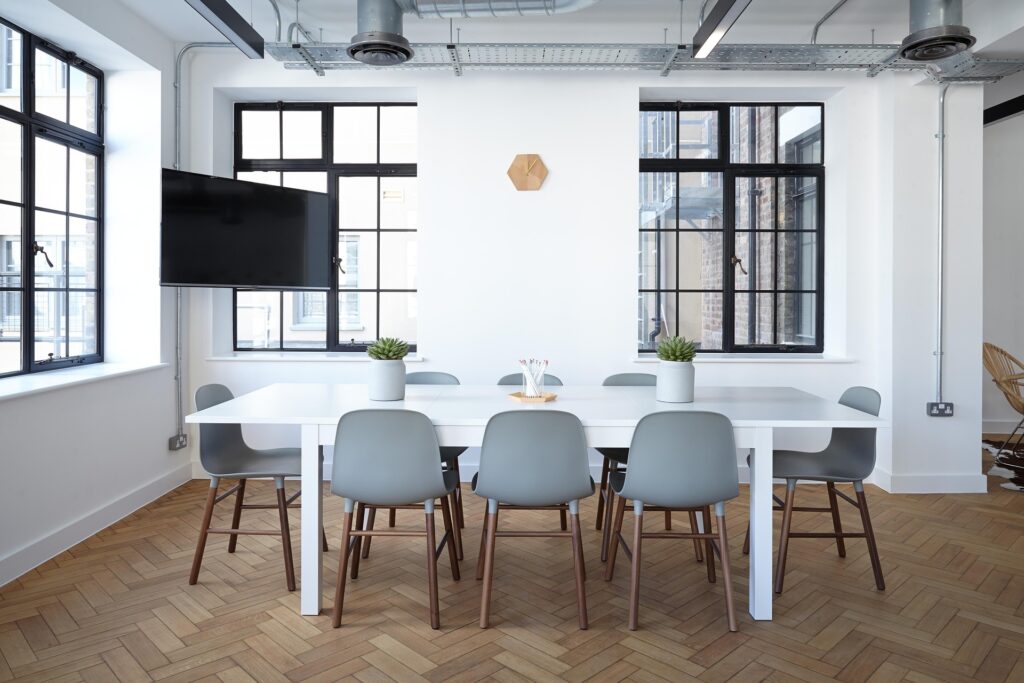
A growing SME, a trading company, a consulting practice or a back office function is often better served by Grade B space in JLT, parts of Business Bay or Dubai Silicon Oasis. These businesses can secure a genuinely professional environment, strong transport connectivity and room to scale, while directing the savings on rent toward hiring, technology or growth.
Investors face a parallel decision. Grade A assets in constrained districts continue to deliver low vacancy and strong rental growth, but often at a higher entry price and tighter yield. Grade B assets can offer higher yields and repositioning potential, particularly where a building is well located but simply due for refurbishment, though they carry more exposure to the flight to quality trend if left unmodernised.
The Vetra View
Dubai’s office market in 2026 is best understood as two markets moving in the same direction at different speeds. Grade A space remains the undisputed benchmark for prestige, sustainability and long term value retention, and demand from finance and technology occupiers shows no sign of slowing. Grade B space has become the market’s pressure valve, absorbing overflow demand and delivering the fastest rental growth of any segment as tenants adapt to constrained prime supply.
For anyone leasing, relocating or investing in Dubai commercial property, the grade of a building is no longer a minor detail buried in a listing. It is one of the clearest signals available of a property’s rental trajectory, tenant profile and long term investment case. At Vetra Real Estate, we help clients read that signal correctly, matching every commercial requirement to the district, building and grade that genuinely fits the brief.