
 AED
$ USD
€ EUR
£ GBP
AED
The City of Gold, Reimagined.
Deira sits on the northern side of Dubai Creek, directly across from Bur Dubai, and together the two form the heart of Old Dubai. Trade has shaped the district for centuries: wooden dhows still cross the Creek carrying goods, and the Gold, Spice, and Perfume Souks remain working markets rather than tourist recreations. Covering roughly 13 square kilometres and home to an estimated 400,000 residents, Deira is one of the largest and most densely populated districts in the city.
Housing is predominantly mid-rise apartments, from budget studios to family-sized three-bedroom units, spread across a wide range of long-established sub-communities including Naif, Al Rigga, Hor Al Anz, Al Muteena, Al Muraqqabat, Abu Hail, Al Baraha, Port Saeed, and Riggat Al Buteen. Low-rise buildings sit side by side with government offices, commercial towers, and modern malls such as Deira City Centre and Al Ghurair Centre, giving the district a genuinely mixed urban character rather than a single defined skyline.
Deira’s most significant recent transformation is Dubai Islands, formerly known as Deira Islands and, before that, Palm Deira, a master-planned waterfront development by Nakheel spanning five interconnected artificial islands off the district’s coast. It is bringing beachfront apartments, townhouses, and villas, along with hotels and marinas, to a part of the city that had none of this before.
Ownership in most of historic Deira remains leasehold, open to UAE and GCC nationals rather than foreign buyers, though this is changing. Freehold apartments and villas are increasingly available in newer developments such as Dubai Islands and select towers under the Deira Enrichment Project, so buyers should always confirm the exact ownership status of any specific building or sub-community before committing.
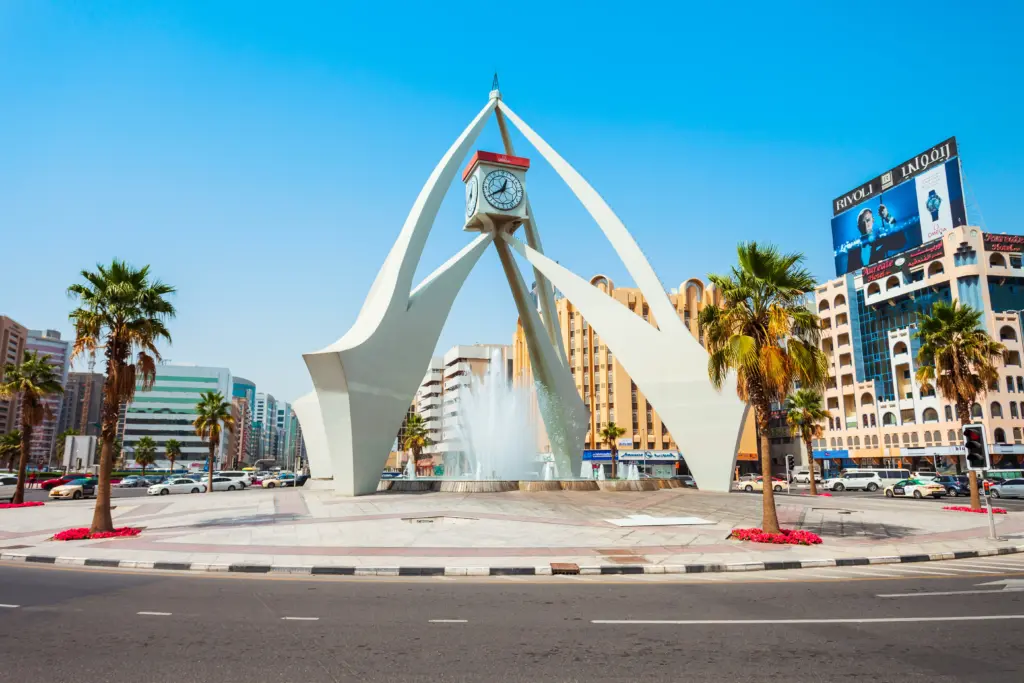
Deira’s borders run along Dubai Creek, Sharjah, and the Arabian Gulf, and the district is threaded by several Green Line metro stations, giving most residents a station within easy reach. Al Khaleej Road and Al Ittihad Road connect Deira directly to Dubai International Airport, Sharjah, and onward towards Downtown Dubai and Sheikh Zayed Road, supporting the steady rental demand generated by the district’s large working population.
Deira’s centuries as a trading hub have left it with a genuinely dense, walkable everyday amenity base, from historic souks that still function as working markets to modern malls, established hospitals, and community clinics spread across nearly every sub-community.
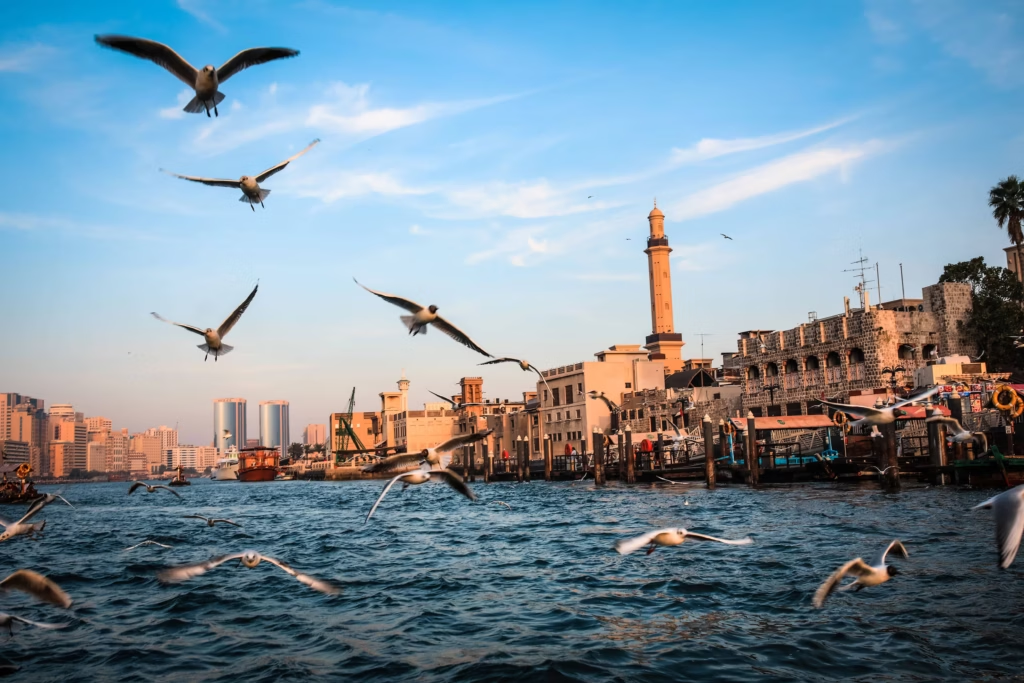

• Gold, Spice & Perfume Souks — century-old markets in the waterfront trading district, selling gold, spices, perfumes, and textiles, and the reason Dubai is still known as the City of Gold.
• Deira City Centre — an established shopping mall in Port Saeed with major retail, dining, and a cinema.
• Al Ghurair Centre — one of Dubai's original shopping malls, offering retail, dining, and everyday services near Al Rigga.
• Naif Souk — a modernised souk offering retail outlets and daily essentials for residents of Naif and the surrounding sub-communities.

• Al Kuwait Hospital Deira — a leading public hospital under the Emirates Health Services umbrella, offering specialised treatment and outpatient care.
• Al Baraha Hospital — a major public hospital in the Al Baraha healthcare cluster, JCI accredited and government-run.
• Rashid Hospital — Dubai's major public trauma centre, a short drive away in neighbouring Bur Dubai.
• Community Clinics — a dense network of private clinics across Al Rigga, Hor Al Anz, and Al Baraha covers day-to-day healthcare needs within walking distance for most residents.

• Deira Corniche — a waterfront promenade along Dubai Creek, popular for walking and evening gatherings.
• Al Mamzar Beach Park — one of Dubai's largest beach parks, with sandy beaches, lagoons, and picnic areas, roughly 15 to 20 minutes away.
• Dubai Islands Beaches — new Blue Flag-certified beaches and promenades opening as part of the Dubai Islands waterfront development.
Deira’s defining character is trade, and it has been that way since the district was established as a commercial hub in the mid-1700s. Narrow lanes, restored heritage buildings, and centuries-old souks sit alongside dense residential blocks, government offices, and increasingly modern malls, giving the district a genuinely layered identity that spans Old Dubai’s origins through to Dubai Islands’ new waterfront future.
A diverse population of long-term expatriate families, professionals, and traders gives Deira’s streets an authentic, lived-in energy rarely found in newer Dubai communities. Heritage-focused upgrades in recent years have improved accessibility around the souks and Corniche without stripping away the district’s working character, and residents consistently cite affordability, transport links, and the sheer density of everyday amenities as Deira’s standout features.
Lifestyle Highlights
Bur Dubai
Deira’s historic counterpart directly across Dubai Creek, reachable by abra, bridge, or tunnel, and home to its own dense souks and residential stock.
Al Mamzar
A quieter residential district to the northeast, anchored by Al Mamzar Beach Park and the Sharjah border.
Al Qusais
A large residential district further east, offering additional schools and more affordable family housing a short drive away.
Downtown Dubai & DIFC
The city’s business and financial core, approximately 15 to 20 minutes away via Al Ittihad Road and Sheikh Zayed Road.
Dubai Islands
The new waterfront development just offshore from Deira, bringing beachfront apartments, villas, and freehold ownership to the district’s own coastline.
Landmarks and Culture
Nature and Outdoor
Sport and Entertainment
Shopping and Dining
Deira holds a genuinely wide spread of schools across its sub-communities, spanning British, Indian, and IB curricula, with further options a short drive away in Al Qusais, Al Mamzar, and Oud Metha for families who want a broader choice.
Schools
Nurseries
Family Amenities
Higher Education
What You’ll Find:
Deira’s property market is dominated by mid-rise apartments, from budget-friendly studios to family-sized three-bedroom units, spread across long-established sub-communities such as Naif, Al Rigga, Hor Al Anz, and Riggat Al Buteen. Community-wide, apartments average approximately AED 2,796 per square foot, with gross investment yields around 5.2%, though pricing and yield both vary meaningfully by sub-community and building age.
Annual rents remain some of the most accessible in central Dubai: studio apartments in Naif typically rent from around AED 29,000, one-bedroom units from roughly AED 44,000, and two-bedroom units from approximately AED 76,000. The district’s most significant new supply is arriving through Dubai Islands, where beachfront apartments currently list from roughly AED 2 million to AED 5.5 million and villas well beyond that, with yields and resale potential among the strongest in the city thanks to its coastal position and new infrastructure.
Market Insight:
Deira’s investment case rests on its unmatched affordability relative to central Dubai, genuinely deep metro coverage, and a structural shift underway as the Deira Enrichment Project and Dubai Islands bring freehold ownership to a district that has historically been leasehold-only. Investors comparing entry prices to yield should note that while most of historic Deira remains restricted to UAE and GCC nationals, the freehold pipeline is expanding steadily, and Dubai Islands in particular is drawing strong demand on the back of its beachfront position and new infrastructure.
Master Developer: Multiple (Ithra Dubai, Nakheel, Dubai Municipality, and private developers)
Location: Northern bank of Dubai Creek, eastern Dubai
District Size: Approximately 13 sq km, home to an estimated 400,000 residents
Average Price per Sq Ft: Approximately AED 2,796 (apartments)
Gross Rental Yield: Approximately 5.2%, higher on Dubai Islands
Dubai International Airport: Approximately 10–15 minutes
Downtown Dubai & DIFC: Approximately 15–20 minutes
Deira asks buyers and investors to value a genuinely different proposition: centuries of trading heritage, some of Dubai’s most affordable central rents, and a structural shift toward freehold ownership that is only just gathering pace. It rewards buyers who take the time to understand exactly which sub-community, building, and ownership structure applies to the property they are considering.
The case is straightforward. Genuine affordability relative to almost anywhere else in central Dubai. Dense metro coverage and steady tenant demand from a large, established working population. A new freehold pipeline opening up through the Deira Enrichment Project and Dubai Islands. And a working, living heritage district that few purpose-built communities can replicate.
At Vetra, we track Deira sub-community by sub-community. We know which buildings and developments already carry freehold status open to foreign buyers, which areas deliver the strongest rental demand, and how to navigate the ownership rules that still restrict much of the district’s older stock. Whether you are an investor drawn by Deira’s yield and affordability, a family seeking established schools and a genuine sense of community, or a buyer evaluating Dubai Islands’ new beachfront launches, Vetra brings the expertise and honest guidance to help you make the right decision in Deira.
Contact Vetra’s experts for tailored guidance and listings.
Do you need a property valuation?
Contact Vetra today and let us help you navigate Deira with clarity and structure.