
 AED
$ USD
€ EUR
£ GBP
AED
Where Dubai’s Story Began.
Bur Dubai is one of the city’s oldest and most culturally significant districts, sitting on the western bank of Dubai Creek directly across from Deira. Long before Dubai became a global business hub, this was the city’s original commercial and residential centre, and that layered history is still visible today in restored wind-tower houses, bustling souks, and creekside promenades that sit alongside dense mid-rise apartment towers and modern commercial blocks.
The district’s boundaries stretch from Port Rashid in the north to Al Jafiliya in the west and the Dubai International Financial Centre in the south, and encompass a wide range of distinct sub-communities, including Al Mankhool, Al Raffa, Al Karama, Oud Metha, Al Jaddaf, Al Kifaf, Umm Hurair, and Dubai Healthcare City. Each carries its own character, from Al Mankhool’s dense residential blocks and hotel cluster to Oud Metha’s healthcare and education infrastructure.
Housing stock is predominantly apartments, ranging from older 1970s-to-2000s buildings to newer towers completed in the 2010s and 2020s, such as Wasl Asset Management’s Park Gate Residences in Al Kifaf. Pockets of villas and townhouses can also be found in Al Jaddaf and Al Kifaf. The area’s markets, restaurants, and retail are strongly shaped by its long-established Indian expatriate community, and Bur Dubai is home to one of Dubai’s older Hindu temples alongside the Grand Mosque, which carries the city’s tallest minarets.
Ownership structure in Bur Dubai varies meaningfully from one building to the next, and buyers should treat this as an essential first question. Freehold status is more clearly demarcated in several newer tower clusters, while much of the district’s older stock remains leasehold. Confirming the exact ownership status of any specific building before committing is essential in this community.
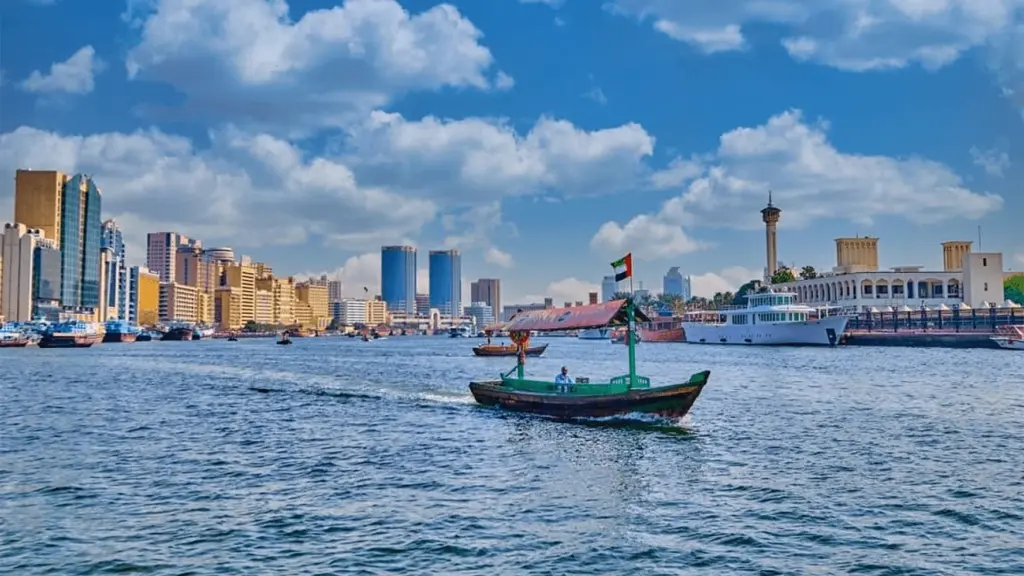
Bur Dubai’s greatest connectivity asset is BurJuman Metro Station, one of only a handful of interchanges in the entire network where the Red and Green Lines meet, giving residents a single-transfer ride to Downtown Dubai, Sheikh Zayed Road, DIFC, and Business Bay in one direction and Deira and the airport corridor in the other. Sheikh Khalifa Bin Zayed Road and Sheikh Zayed Road both run along the district’s edges, and traditional abras still ferry residents across Dubai Creek to Deira.
Bur Dubai’s decades of organic growth have produced a genuinely dense, walkable amenity base: the district is home to more than 20 schools, roughly 25 hospitals and clinics, and eight public parks, alongside a concentration of souks, supermarkets, and everyday retail that few newer Dubai communities can match.

• BurJuman Centre — an established shopping mall in Al Mankhool with retail and dining, directly connected to the metro interchange.
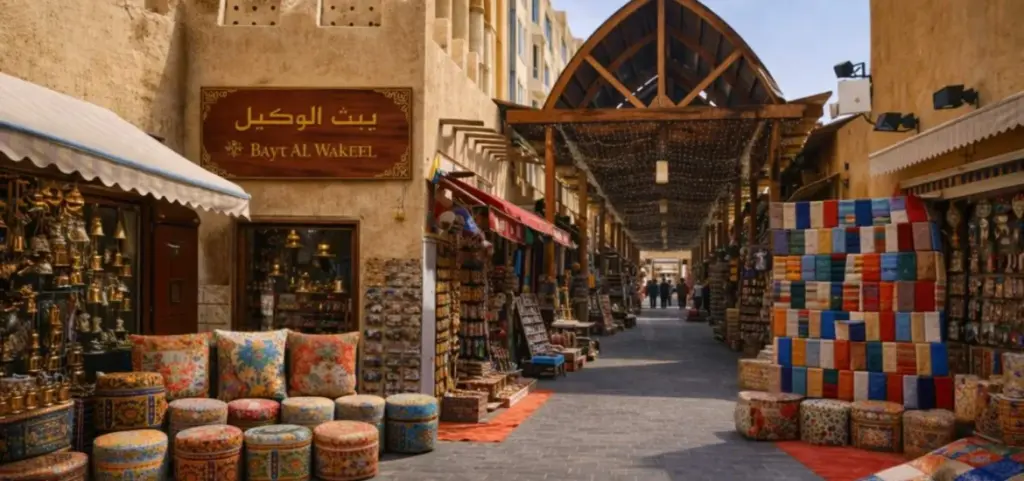
• Meena Bazaar & Textile Souk — Bur Dubai's historic trading streets, known for textiles, gold, and spices, and shaped heavily by the district's Indian expatriate community.
• Al Seef — a waterfront heritage retail and dining promenade along Dubai Creek, blending traditional architecture with boutique shops and cafes.
• Local Supermarkets — a dense network of everyday grocery stores across Al Mankhool, Al Raffa, and Oud Metha covers day-to-day needs within walking distance for most residents.

• Rashid Hospital — one of Dubai's largest public hospitals, located on Oud Metha Road in Umm Hurair, with a major trauma and emergency centre.
• American Hospital Dubai — a leading private hospital in Oud Metha offering a full range of inpatient and outpatient services.
• Dubai Healthcare City — a dedicated medical free zone within the district's boundaries, home to specialist clinics, hospitals, and pharmaceutical companies.
• Community Clinics — a dense cluster of general and specialist clinics across Al Mankhool and Al Raffa serve residents' day-to-day healthcare needs.

• Dubai Creek Promenade & Al Seef — waterside walking paths along the Creek, popular for evening strolls and family outings.
• Dubai Creek Park — a larger green space nearby with gardens, cable car rides, and the Children's City museum.
• Al Fahidi's Public Courtyards — shaded courtyards and seating areas woven through the historical neighbourhood's restored wind-tower houses.
Bur Dubai’s defining character is its layered mix of old and new: restored wind-tower houses and centuries-old trading souks sit only minutes from dense modern apartment towers, commercial office blocks, and one of the busiest metro interchanges in the city. Its multicultural population, shaped heavily by generations of Indian expatriates, gives the district’s markets, restaurants, and street life a genuinely distinct character within Dubai.
The area also carries a large hotel cluster serving budget and mid-range travellers drawn to its heritage sites, alongside long-term residents who value the central location and dual-line metro connectivity, and traders employed across the souk economy. Residents consistently cite the affordability, transport links, and sheer density of everyday amenities as Bur Dubai’s standout everyday features, even as the district’s older streets can feel busier and noisier than newer, purpose-built communities.
Lifestyle Highlights
Deira
Bur Dubai’s historic counterpart directly across Dubai Creek, reachable by abra, bridge, or tunnel, and home to its own dense trading souks and residential stock.
Al Karama
The dense, affordable residential district to the south, known for budget-friendly apartments and a strong sense of community.
Dubai International Financial Centre (DIFC)
Dubai’s financial free zone bordering Bur Dubai’s southern edge, a short drive from the district’s core.
Business Bay
The waterfront commercial district connecting Downtown Dubai to the Dubai Water Canal, approximately 10 to 12 minutes away.
Al Jaddaf
The creek-side sub-community within Bur Dubai’s own boundaries, home to Culture Village and Dubai Healthcare City.
Landmarks and Culture
Nature and Outdoor
Sport and Entertainment
Shopping and Dining
Bur Dubai holds one of the highest concentrations of schools anywhere in the city, with more than 20 schools spanning British, Indian, and American curricula, making it a longstanding and genuinely affordable choice for families who want quality education within a short walk or drive of home.
Schools:
Nurseries:
Family Amenities:
Higher Education
What You’ll Find:
Bur Dubai’s property market is dominated by apartments, ranging from budget-friendly studios in older 1970s-to-2000s buildings to larger three- and four-bedroom units in newer towers, with pockets of villas and townhouses available in the Al Jaddaf and Al Kifaf sub-communities. Near the BurJuman interchange, apartment prices typically sit between AED 500 and AED 850 per square foot, among the most affordable Metro-connected stock anywhere in central Dubai.
Two-bedroom units in the popular Al Mankhool sub-community typically rent for between AED 82,000 and AED 95,000 per year. Community-wide, gross rental yields broadly range from 9% to 12.5%, among the strongest yield profiles in central Dubai, reflecting steady tenant demand from long-term residents, traders, and the district’s large hotel and short-stay cluster.
Market Insight:
Bur Dubai’s investment case rests on the rare combination of a dual-line Metro interchange and some of central Dubai’s most affordable entry prices; comparable stock at the same BurJuman node in Downtown Dubai trades at several times the price per square foot. That affordability, paired with steady demand from long-term residents, traders, and the district’s large hotel cluster, supports gross yields that regularly outperform Dubai’s newer, more expensive communities.
Master Developer: Multiple (Wasl Asset Management, Dubai Holding, and private developers)
Location: Western bank of Dubai Creek, central Dubai
Sub-Communities: Al Mankhool, Al Raffa, Al Karama, Oud Metha, Al Jaddaf, Al Kifaf, Dubai Healthcare City
Average Price per Sq Ft: Approximately AED 500–850 near BurJuman
Gross Rental Yield: Approximately 9%–12.5%
Downtown Dubai & DIFC: Approximately 10–12 minutes
Dubai International Airport: Approximately 15–20 minutes
Bur Dubai asks buyers and investors to value a genuinely rare combination: a dual-line Metro interchange, some of central Dubai’s most affordable entry prices, and daily proximity to the city’s original cultural landmarks. It rewards buyers who take the time to understand exactly which building, sub-community, and ownership structure applies to the property they are considering.
The case is straightforward. A rare dual-line Metro interchange at BurJuman. Genuinely central Dubai living at a fraction of Downtown or Business Bay pricing. A dense concentration of schools, hospitals, and everyday amenities few districts can match. And gross rental yields that regularly outperform Dubai’s newer, more expensive communities.
At Vetra, we track Bur Dubai building by building. We know which towers and sub-communities carry freehold status open to foreign buyers, which stock delivers the strongest rental yields, and how to navigate the ownership rules that vary across the district’s older and newer buildings. Whether you are a family seeking an affordable, school-anchored address, a tenant-focused investor drawn by Bur Dubai’s yield profile, or a buyer who values genuine cultural heritage on their doorstep, Vetra brings the expertise and honest guidance to help you make the right decision in Bur Dubai.
Contact Vetra’s experts for tailored guidance and listings.
Do you need a property valuation?
Contact Vetra today and let us help you navigate Bur Dubai with clarity and structure.