
 AED
$ USD
€ EUR
£ GBP
AED
Central, Characterful City Living Beside Sheikh Zayed Road.
Al Satwa is one of Dubai’s oldest and most lived in neighbourhoods, a dense, walkable district of low rise apartment blocks, villas, tailors, and family run restaurants set directly behind Sheikh Zayed Road. It covers about 2.9 square kilometres and is home to more than 40,000 residents, which makes it one of the most densely populated parts of the city.
Its appeal is simple: location and value. Satwa sits five minutes from DIFC and City Walk and about ten minutes from Downtown Dubai and Jumeirah Beach, yet rents remain well below those of its neighbours. Everyday life happens on foot, with groceries, clinics, mosques, parks, and some of Dubai’s best loved budget restaurants all within a few minutes’ walk.
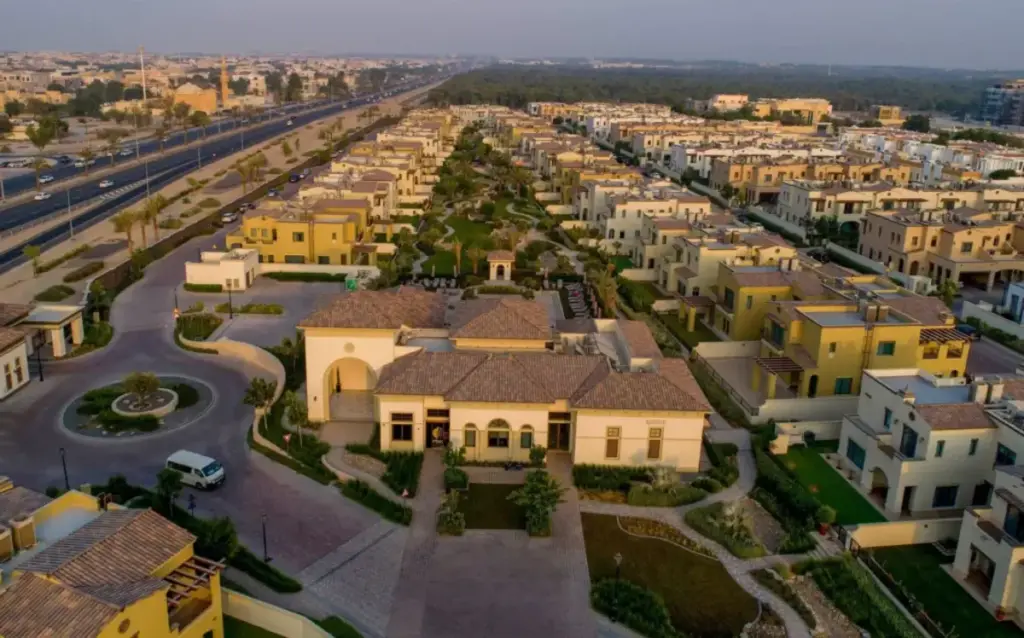
The area is also changing. Jumeirah Garden City, Meraas’s freehold district on Satwa’s southern edge, is replacing older stock with modern mid rise apartment buildings around parks, and a 2024 street improvement project has brought shaded walkways, pocket parks, and public art to the older streets. The result is a neighbourhood that keeps its character while steadily improving its homes and public spaces.
Al Satwa sits between Sheikh Zayed Road to the south and Jumeirah 1 to the north, with Al Wasl and Al Bada’a to the west and Al Jafiliya and Bur Dubai to the east. Al Satwa Road runs through the heart of the district, while Al Diyafah Street (2nd December Street) and Al Wasl Road run along its edges, so almost every central district is a short drive away.
Few residential areas in Dubai are this central. The business districts of DIFC, the World Trade Centre, and Sheikh Zayed Road are across the highway, Downtown Dubai and Business Bay are a short drive south, and the older trading districts of Bur Dubai and Karama are just to the east. Dubai International Airport is usually 15 to 20 minutes away.
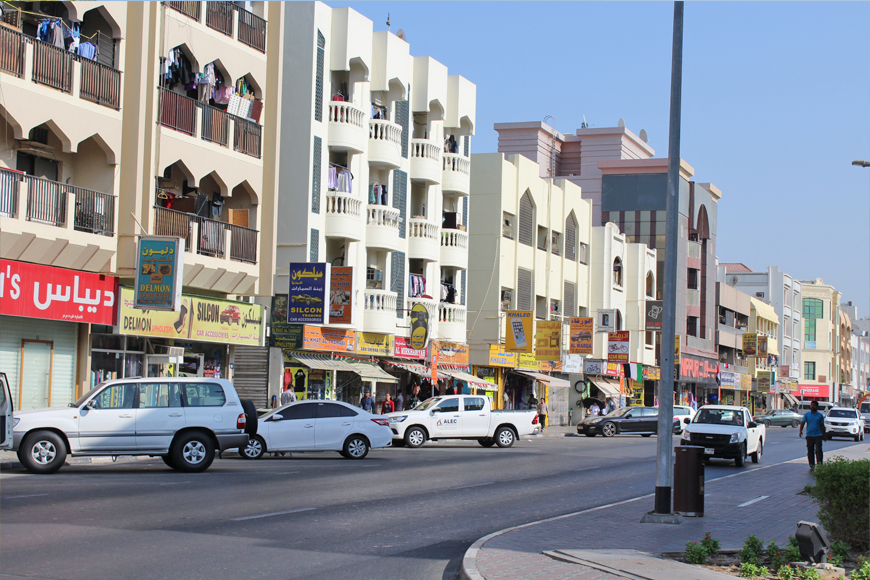
Very few Dubai neighbourhoods are as self contained as Satwa. Groceries, pharmacies, clinics, laundries, tailors, and dozens of cafes and restaurants are all within walking distance of most homes, and many shops stay open late into the night.
For larger shopping trips, City Walk, BurJuman, Mercato, and Dubai Mall are all within about 10 minutes by car, so residents rarely need to travel far for anything.

• Supermarkets: Al Maya, West Zone, Spring, and Yamama supermarkets, along with many 24 hour groceries and convenience stores, serve every block.
• Al Satwa Road: the area's traditional high street, lined with textile shops, tailors, electronics stores, mobile phone shops, salons, and cafes.
• Al Diyafah Street: Satwa's lively dining strip, with restaurants, juice bars, sweet shops, and cafes open well past midnight.
• Plant Street: a well known row of nurseries and garden shops selling plants, pots, and outdoor furniture at good prices.

• Iranian Hospital: a long established general hospital on Al Wasl Road, on Satwa's doorstep, with emergency and outpatient services.
• Clinics and pharmacies: Aster Clinic, Al Noor Polyclinic, and Al Amal Polyclinic are among the many general and specialist clinics in the area, and pharmacies are on almost every street.
• Specialist care: Dubai Healthcare City, Rashid Hospital, and Mediclinic City Hospital are about 15 minutes away for specialist and emergency care.

• Al Satwa Park: the neighbourhood's main park, beside the bus station, with children's play areas, a jogging track, and sports courts.
• Street improvements: a 2024 public realm project by Dubai Municipality, the RTA, and the Dubai Creative Unit added shaded walking routes, pocket parks, seating made from local stone, native planting, and street art.
• Jumeirah Garden City: the newer district adds landscaped parks, walkways, and padel courts between its residential buildings.
• Larger parks nearby: Al Wasl Park is about 3 minutes away, and Zabeel Park and Safa Park are around 10 minutes away.
Satwa grew from the late 1960s as one of Dubai’s first planned residential districts, originally settled by Baloch families, and it still has the feel of a real neighbourhood. Its streets are busy from morning to late night, and many residents walk rather than drive to the grocery, the mosque, the tailor, or dinner.
It is one of the city’s most multicultural addresses, home to long standing South Asian, Filipino, Arab, Iranian, and Emirati families alongside young professionals. Filipino residents call it Mini Manila, and its tailoring and textile trade has made it the place to have clothes made in Dubai for decades. Many residents have lived in the same building for years, which gives the area a strong sense of community.
The southern edge of Satwa is changing. Jumeirah Garden City, a Meraas master plan of mid rise freehold apartment buildings around parks, is steadily replacing older stock and bringing gyms, padel courts, cafes, and modern homes to the area, while the older core keeps its character. Together they give buyers and tenants a choice between affordable, established buildings and brand new homes, all in the same central location.
Lifestyle highlights:
Beachside villa districts to the north and west, home to La Mer, Jumeirah Beach, Jumeirah Mosque, and the Etihad Museum. A popular choice for families wanting villas close to the sea.
Meraas’s open air retail, dining, and entertainment district, with Coca-Cola Arena, The Green Planet, and Al Wasl Park, about 5 minutes away.
Dubai’s financial centre and tower corridor directly across Sheikh Zayed Road. Many Satwa residents work here, which keeps rental demand strong.
Established, affordable neighbourhoods to the east, with Max metro station, Karama’s markets, and a similar walkable, multicultural feel.
Historic trading districts with BurJuman, Al Fahidi, and the creek, about 10 to 15 minutes away.
Home to Burj Khalifa, Dubai Mall, and the Dubai Canal, about 10 minutes away.
Beaches and outdoors:
Culture and landmarks:
Shopping and dining:
Schooling inside Satwa itself is limited, but families are within easy reach of the well regarded schools of Jumeirah, Al Wasl, Al Safa, and Oud Metha. Most school runs are 5 to 15 minutes, though peak hour traffic on Al Wasl Road should be factored in.
Families who choose Satwa usually do so for its central location and lower rents, often taking larger apartments or one of the area’s older villas for the space.
Schools:
Family amenities:
What You’ll Find:
Al Satwa is mostly an apartment market. Older low rise buildings offer some of the most affordable rents in central Dubai, while new mid rise buildings in Jumeirah Garden City offer studios to three bedroom apartments for sale on a freehold basis. A limited number of older villas, many owned by UAE nationals, are also available to rent.
Typical annual rents range from about AED 40,000 to AED 65,000 for a studio, AED 60,000 to AED 90,000 for a one bedroom, and AED 85,000 to AED 130,000 for a two bedroom, with older buildings at the lower end. Sale prices in newer buildings average roughly AED 2,000 to AED 2,700 per square foot, and the median listed sale price is around AED 1.7 million.
Market Insight:
Al Satwa is a location play. It sits next to DIFC, Downtown Dubai, and Jumeirah at a price well below its neighbours, and Jumeirah Garden City gives investors a freehold way in. Studios and one bedroom apartments draw steady demand from professionals who want to live close to work, which supports some of the stronger yields in central Dubai.
Jumeirah Garden City was first announced in 2008 as a vast canal city, then scaled back after the global financial crisis. Its revised plan of mid rise buildings around parks has been delivered plot by plot since 2016, and dozens of buildings are now complete. As more of the district is finished, the gap in quality between Satwa and its neighbours continues to narrow.
Master developer: Meraas (Jumeirah Garden City); older Satwa is privately owned Area and population: About 2.9 sq km, with more than 40,000 residents Homes: Mostly low and mid rise apartments, with some older villas Areas: Old Satwa core, Al Diyafah Street, Jumeirah Garden City, villa pockets Ownership: Freehold in Jumeirah Garden City; much of older Satwa is rental stock Average price: About AED 2,000 to AED 2,700 per square foot in newer buildings Gross rental yields: About 4.6% to 6.8% Nearest metro: World Trade Centre, Emirates Towers, Financial Centre, Max DIFC: About 5 minutes Downtown Dubai: About 10 minutes |
Al Satwa suits people who want to live in the centre of Dubai, walk to everyday essentials, and pay less than the towers next door. It suits professionals working in DIFC and Sheikh Zayed Road, families who want space close to Jumeirah’s schools and beaches, and investors looking for a freehold entry point in a fast improving part of the city.
At Vetra, we know Satwa street by street. We know which older buildings are well managed, which Jumeirah Garden City projects offer the best value and parking, and where the rental demand is strongest. Whether you are looking for a well priced home close to work or a central apartment to invest in, Vetra brings the expertise and honest guidance to help you decide.
Contact Vetra’s experts for tailored guidance and listings.
Do you need a property valuation?
Contact Vetra today and let us help you navigate Al Satwa with clarity and structure.