AED
AED
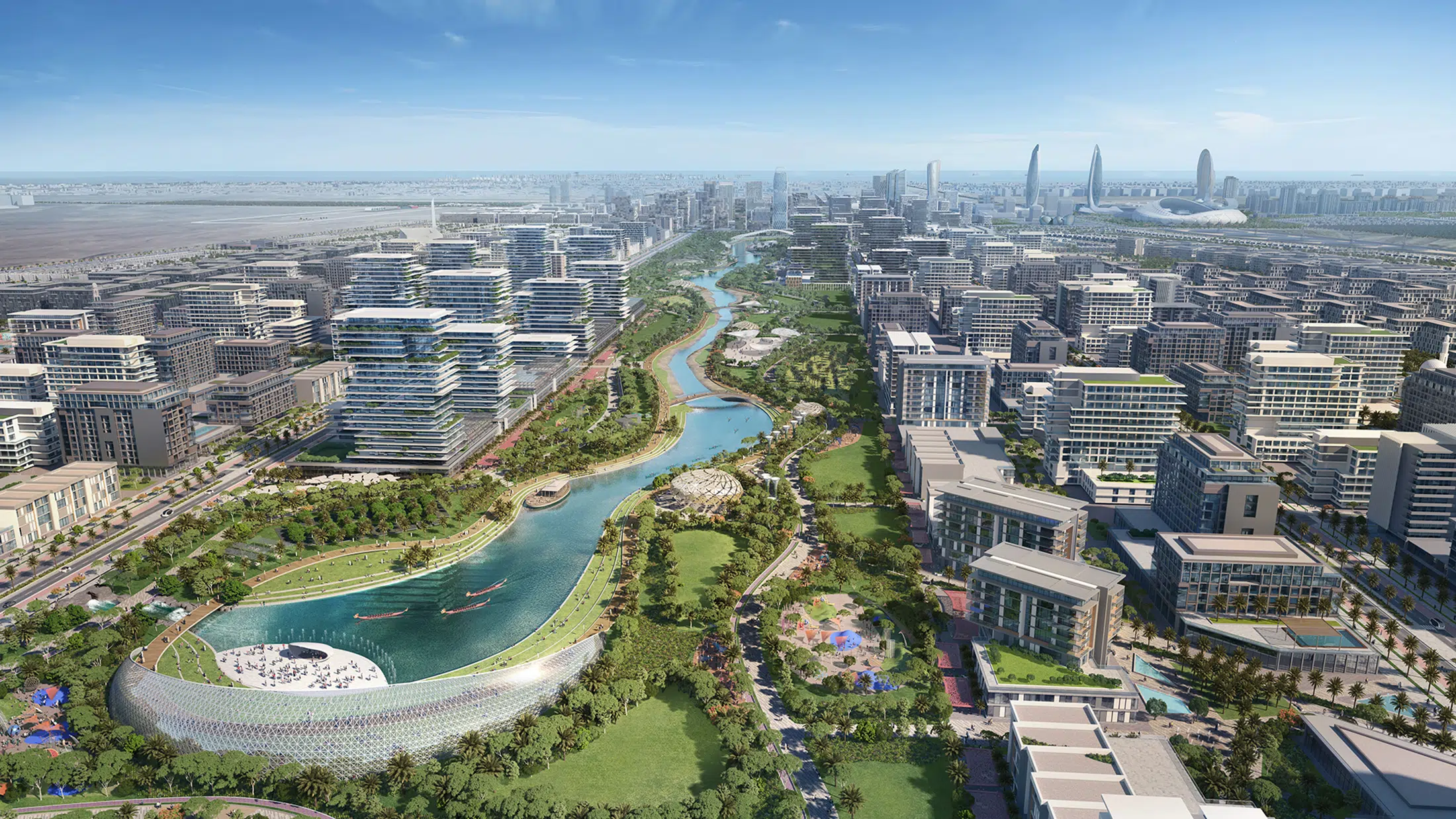
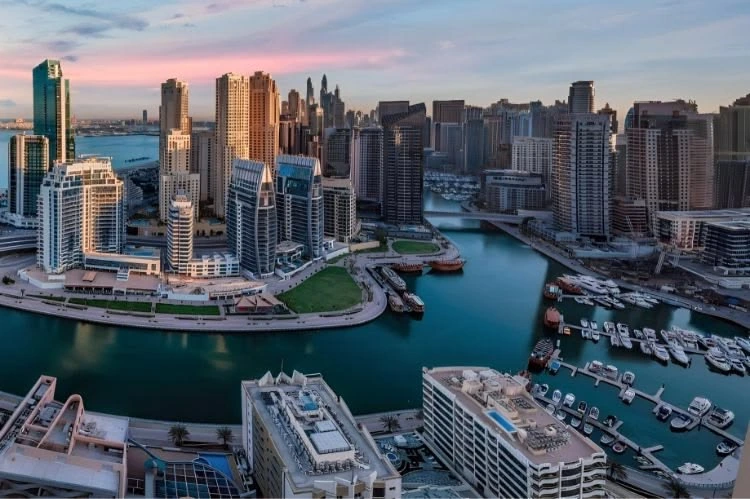
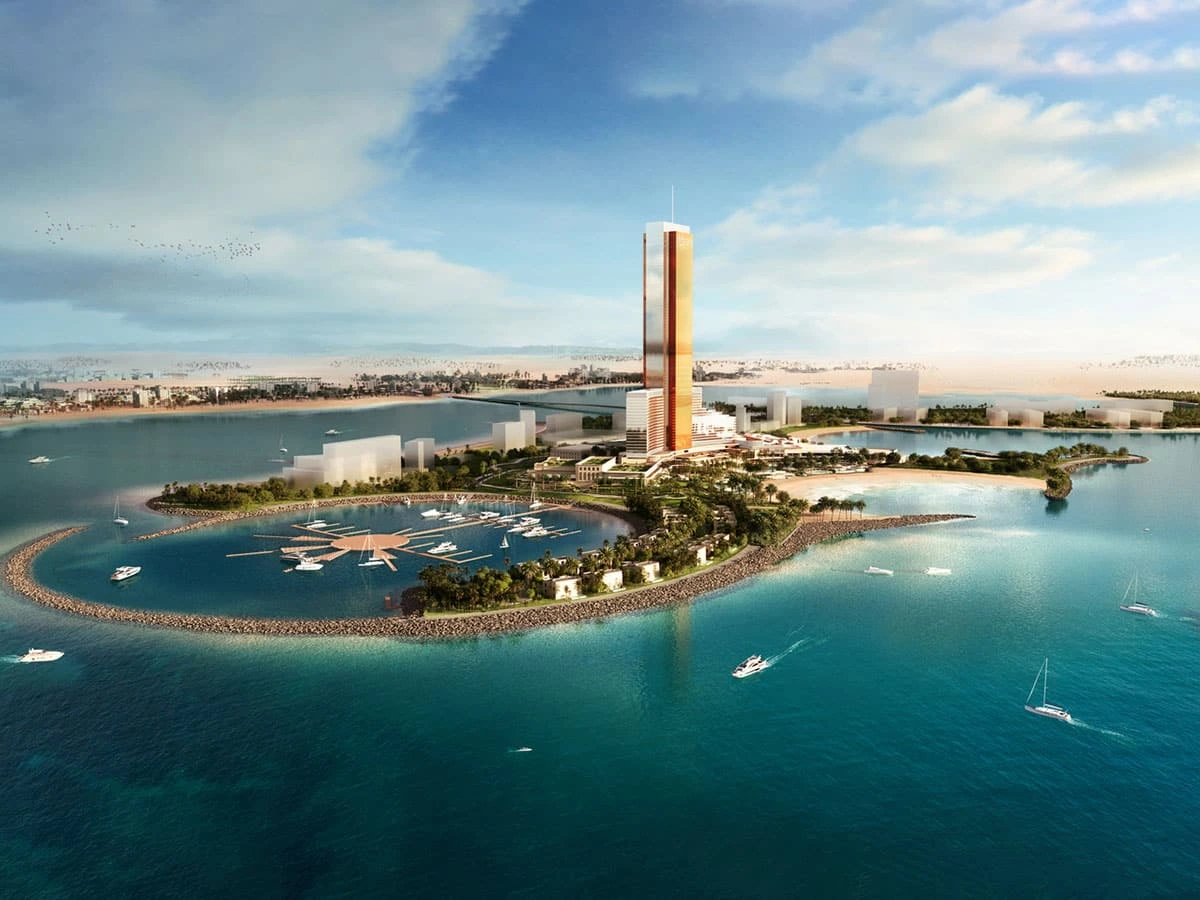
The UAE’s skyline has always been a symbol of ambition. But today, that ambition is being redefined not just by height or luxury, but by sustainability. Across Dubai, Abu Dhabi, and beyond, green buildings are rapidly moving from an architectural trend to a national standard, reshaping how properties are designed, valued, and sold.
For buyers and investors navigating the UAE real estate market, understanding this shift is no longer optional. It’s essential.
At Vetra Real Estate, we believe informed decisions are the best decisions. In this blog, we break down everything you need to know about the growth of sustainable and green buildings in the UAE and what it means for your next investment.
Looking for a sustainable home that also fits your lifestyle? Explore our guide to the 10 Best Pet-Friendly Communities in Dubai to find a community that checks every box.
What Is a Green Building?
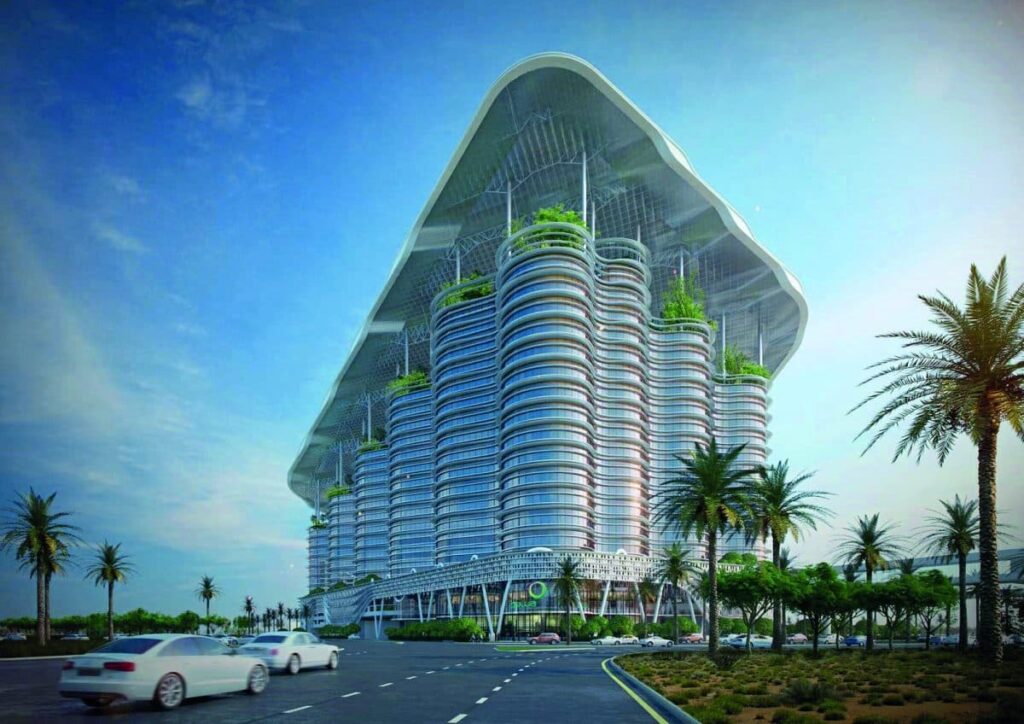
A green building is designed and constructed to reduce its environmental impact while improving the health, efficiency, and comfort of its occupants. In the UAE context, this typically involves:
- Energy efficiency — solar panels, smart HVAC systems, LED lighting
- Water conservation — low-flow fixtures, greywater recycling systems
- Sustainable materials — recycled steel, low-emission insulation, eco-friendly finishes
- Indoor air quality — advanced ventilation and chemical-free materials
- Smart building technology — IoT sensors, AI-driven energy management systems
The Numbers Don’t Lie: UAE Green Building Market at a Glance
The scale of this transformation is staggering. Here are the key figures defining the UAE’s green building landscape in 2026:
- USD 7.1 billion — the estimated size of the UAE green buildings market in 2025
- USD 13.1 billion — projected market size by 2032, growing at a 9.2% CAGR
- 72,000+ buildings in Dubai now comply with Green Building Specifications representing 57% of all buildings in the emirate
- Green compliance has already resulted in a reduction of 1.4 million tonnes of CO₂ emissions and saved an estimated AED 4.5 billion in energy costs
- Dubai ranks third globally among cities with the highest number of green-certified buildings
These figures make one thing abundantly clear: sustainability in UAE real estate is not a niche, it is the mainstream.
Government Regulations Driving the Green Building Boom
One of the strongest drivers behind this growth is the UAE government’s firm legislative push toward sustainability. Several landmark frameworks are actively shaping the market:
- Dubai: Al Sa’fat Green Building Evaluation System
Introduced originally as the Green Building Regulations and Specifications in 2014, and later evolved into the Al Sa’fat system in 2017, this framework mandates that all new buildings in Dubai meet minimum green standards. Compliance is not optional.
- Abu Dhabi: Estidama Pearl Rating System
Abu Dhabi requires all new buildings to achieve a minimum Pearl 1 certification, with government buildings mandated to reach Pearl 2 or above. As of early 2025, over 304 design-phase and 81 construction-phase projects have met these standards in Abu Dhabi alone.
- Dubai Green Retrofit Code (January 2026)
In a landmark move, Dubai Municipality introduced the Green Retrofit Code, requiring all commercial buildings over 15 years old to reduce energy and water consumption by 20% by 2030. This has triggered a major wave of building upgrades across the city.
- UAE Net Zero 2050 Strategy
The overarching national vision encompasses over 25 programs across key sectors, buildings, power, transport, industry, and more. All aligned toward achieving net-zero emissions by 2050.
Key Trends Reshaping Green Real Estate in the UAE
- Solar Integration Becomes Standard
The UAE’s renewable energy capacity reached approximately 7.29 GW in 2025 and is projected to climb to 12.42 GW by 2030. Solar photovoltaic systems are increasingly integrated directly into building design from rooftop panels to solar glass facades. Dubai’s DEWA net metering program even allows property owners to sell excess solar energy back to the grid, turning their homes into small power generators.
- Smart Building Technology and AI
Modern green buildings are intelligent buildings. IoT sensors monitor energy usage in real time, while AI algorithms optimize everything from temperature control to waste management. This not only reduces environmental impact but significantly lowers operating costs for residents and tenants.
- Bioclimatic Design Replacing Air Conditioning Dependence
The industry is shifting from “active cooling” (massive air conditioning) to bioclimatic design orienting buildings to minimize solar gain, incorporating self-shading facades, and using phase-change materials that absorb heat during the day and release it at night. This is a game-changer in a region defined by extreme heat.
- Green Mortgages and Financial Incentives
In August 2025, the UAE Central Bank, in collaboration with major commercial lenders, standardized Green Mortgage products offering interest rates 50 basis points lower for properties with LEED Gold or Al Sa’fat Platinum ratings. Several UAE banks have also introduced preferential green loan terms, directly linking sustainability certification to affordability.
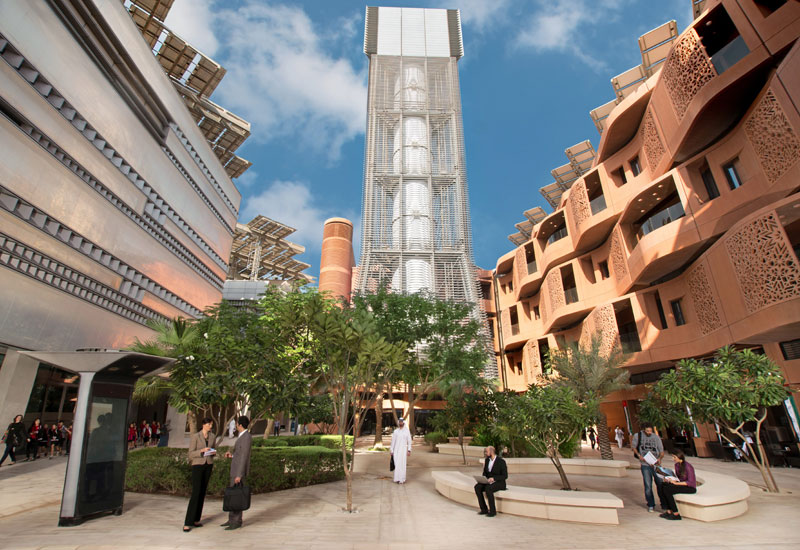
- Masdar City and Zero-Carbon Districts
Abu Dhabi’s iconic Masdar City broke ground on its “Zero-Carbon District” in November 2025, a mixed-use development designed to operate entirely off-grid using advanced solar glass and wind-capture architecture. Projects like these are living laboratories for the future of urban development.
For buyers and investors, the financial case for green real estate is increasingly compelling. Here is what the data shows:
| Benefit | Detail |
|---|---|
| Lower operating costs | Average first-year savings of 10.5% on operational expenses |
| Higher asset value | Green buildings report over 9% increased asset value |
| Long-term cost reduction | Over 5 years, average operating cost reduction of 16.9% |
| Stronger resale value | Eco-certified properties command higher prices as compliance becomes mandatory |
| Higher occupancy rates | Sustainable properties attract ESG-conscious corporate tenants |
Beyond the numbers, 64% of homeowners globally say they would pay more to live in a green community, and 84% say living in a green home is important to them. In a competitive market like Dubai, this translates directly into stronger tenant demand and rental yields.
Vetra Real Estate: Your Partner in Sustainable Property Investment
At Vetra Real Estate, we stay ahead of market shifts so you don’t have to. Our team of expert consultants understands the evolving landscape of sustainable property in the UAE from identifying certified green developments to helping you assess long-term investment value in this rapidly changing market.
Whether you’re looking to buy, rent, or invest in sustainable real estate in Dubai or beyond, we’re here to guide every step of the process.
Contact Vetra Real Estate today and let’s find the right green property for your goals.